
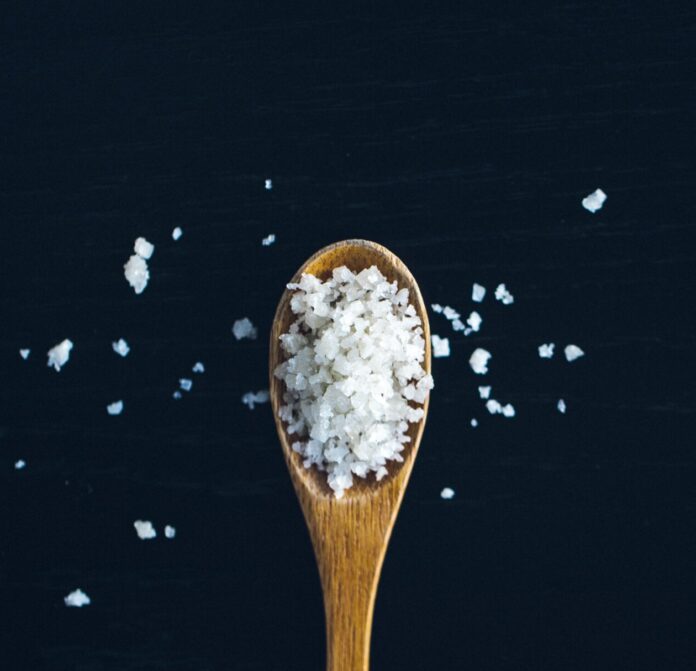
Even if you are the most basic cook, we’re sure that you probably have salt somewhere in your kitchen. Almost every single dish includes a pinch of the stuff, but too much salt can cause far more issues than an inedible meal.
According to the American Heart Association, we should be consuming no more than 2.3 grams of salt per day. That works out roughly to a teaspoon.
How much are we actually including in our daily diet?
A whopping 3.4 grams. AKA way over the limit.
The problem with having too much sodium is that it can lead to health concerns like high blood pressure, kidney issues, cardiovascular disease, and even a stroke.
But don’t panic. There are ways to cut down your sodium intake without having to eat bland food.
Read Labels
The majority of food items will include a label listing nutritional information. You may need a pair of glasses to read the fine print, but be on the lookout for hidden sources of salt in packaged and processed foods. If possible, opt for a low-sodium version.
Cook at Home
By cooking your own meals, you know exactly what’s gone into them. Getting busy in the kitchen gives you full control over the all ingredients and seasoning, and to be fair, you can’t beat a home-cooked meal.
Get Creative
Salt is not the be-all and end-all when it comes to flavoring food. Experiment with different seasonings and flavors to jazz up your dishes. Curry powder, spices, fresh herbs, hot sauce, or a squeeze of citrus are all excellent options.